






We all know that with the changes of the times, consumers are no longer satisfied with only obtaining aquatic products, but prefer to consume more high-quality and healthy products. As the main source of protein, fish has a much higher conversion efficiency than cattle or pork, but its production efficiency may be the lowest compared with beef and pork. There is huge market potential in this.
At the same time, human demand for fish and other aquatic products has increased, putting pressure on sustainable resources Kate@aquasust.complastic.com fisheries, and the need for innovative use of existing technologies and development of new technologies is extremely urgent. Fortunately, the emergence of some technologies has brought great potential for sustainable production of high-quality protein sources.


Recirculating Aquaculture Helps Improve The Pollution Of Aquaculture
In large-scale aquaculture, the requirements for water quality are particularly high, and the residual bait, undigested and absorbed nutrients and metabolic excrement caused by feeding bait are also particularly large, so water treatment is particularly important. There are many advantages to using a recirculating aquaculture system (RAS). The most important thing is to provide more stringent environmental control capabilities. In this way, under stable environmental conditions, the circulating aquaculture system provides an environment that promotes growth.
One of the main advantages of circulating aquaculture facilities is physical barriers and systematic control measures to protect fish and shrimp from foreign pathogens. However, pathogenic microorganisms can spread in different forms in and around farms, and under the right conditions, they can rapidly increase in number and spread. This may lead to disease outbreaks and ultimately lead to economic losses for farmers.
In the process of recirculating aquaculture, we usually use 100% original HDPE as raw material to make MBBR Media, which has its own advantages of low cost and high safety. Greatly reduce construction costs. And this kind of breeding model is feasible, and the market is not worrying about it. Now you can choose the most popular cultured species in recent years, California sea bass, without worrying about the market. The output is high and the profit is better.

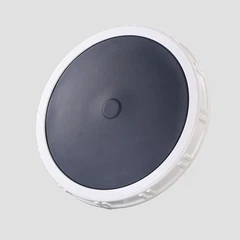
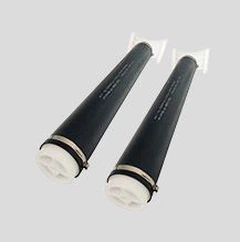
By building fully enclosed standardized breeding workshops and simulating the ecological environment of marine aquaculture, we can move traditional coastal breeding farms into factories in mountainous areas. The "factory circulating aquaculture system" is composed of protein separators, composite biological microfilters, comprehensive processors, high-efficiency aerators and other equipment, providing a safe, reliable and controllable growth environment for fish and shrimp and other aquatic products.
Farming In Offshore Fish Farms Instead Of Fishing
In our understanding of fish farming, aquaculture is regarded as a sustainable alternative to wild fishing, helping to solve the shortcomings and shortcomings of wild fishing. But farmed fish itself also has its own sustainability issues. Farms are often overcrowded and intensive farming has aggravated the problems of diseases and parasites to a certain extent, leading to lower yields and higher production costs.
The future of the fish farming industry may be the use of huge free floating deep-water cages and marine aquaculture. Although these impressive cages are very expensive compared to the cost of other aquaculture models, the technology has proven effective, especially as the demand for protein from fish resources increases, the technology opens up more opportunities . Many companies have used this technology to breed high-quality, safe and harmless edible marine fish.

This is equivalent to a free-floating fish farm. In this small fish farm, hundreds of thousands of fish can be accommodated.
If you raise fish on the high seas, what should you do if the cages are damaged and need to be repaired? There is currently an underwater robot under development that can check and repair and feedback these problems, thereby providing a safer and more cost-effective way to manage farming.