






Leading Manufacturer of MBBR Plastics:
Elevate Your Water Treatment with Our Plastic Expert Solutions
We are always at your service when you need
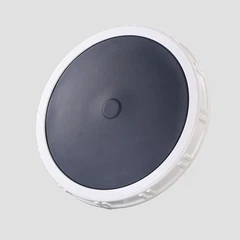
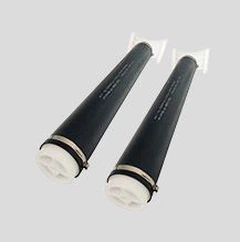
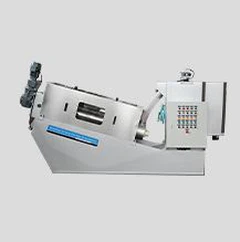
AquaSust founded in 2013, is a specialized manufacturer among China's water treatment providers with a unique combination of plastic and rubber plant backgrounds. We take in establishing our factory, in the city of Anqing. As a testament to our commitment to innovation, we were honored with the National High-tech Enterprise award in 2019, and we hold essential patents for products such as Plastic profiles, MBBR media, Aeration diffusers, Sludge Dewatering Machines. Today, we stand tall as a professional and experienced manufacturer in the water treatment industry.
highlighting advantages of our products
QUALITY ASSURANCE:
All products we use must be inspected by professional quality inspectors. Before shipment, we inspect our products in strict accordance with national standards.
VARIETY OF TYPES:
Our MBBR Media is available in a variety of types to meet your specific water treatment needs, whether for wastewater treatment or aquaculture can be custom designed and manufactured to suit your project.
Wide range of applications:
We specialize in providing high quality MBBR media solutions to meet the needs of different industries, such as municipal wastewater treatment, textile printing and dyeing wastewater treatment, aquaculture wastewater treatment, hospital wastewater treatment and so on.
Techonical support
we have been engaged in MBBR Media manufacturing for more than 12 years. We have engineers to help you install the equipment and provide free technical consulting services.
-
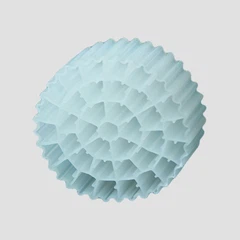
![MBBR Media]() MBBR MediaType: MBBR 04,05,06,19,37,40,61,64 Diameter: Φ11-25 Hole: 4,5,6,19,37,40,61,64 room Surface Area: more than 700m2/m3 Porosity:read more
MBBR MediaType: MBBR 04,05,06,19,37,40,61,64 Diameter: Φ11-25 Hole: 4,5,6,19,37,40,61,64 room Surface Area: more than 700m2/m3 Porosity:read more -
![Bio MBBR Media]() Bio MBBR MediaType: MBBR 61 Size: Φ25*4mm Hole: 61 room Surface Area:>1250m2/m3 Porosity: >85% Densilty: 0.96-0.98g/cm3read more
Bio MBBR MediaType: MBBR 61 Size: Φ25*4mm Hole: 61 room Surface Area:>1250m2/m3 Porosity: >85% Densilty: 0.96-0.98g/cm3read more -
![MBBR Filter]() MBBR FilterSize:Φ25*12mm . Hole Numbers:19 . Material: 100% White Virgin HDPE . Densilty:0.96-0.98g/cm3 . Surface Area:>650m2/m3read more
MBBR FilterSize:Φ25*12mm . Hole Numbers:19 . Material: 100% White Virgin HDPE . Densilty:0.96-0.98g/cm3 . Surface Area:>650m2/m3read more -
![Filter Media]() Filter MediaType: MBBR 37 Size: Φ25*12 mm Hole:37 rooms Surface Area: more than 800m2/m3Porosity: 85% Densilty: 0.96-0.98g/cm3read more
Filter MediaType: MBBR 37 Size: Φ25*12 mm Hole:37 rooms Surface Area: more than 800m2/m3Porosity: 85% Densilty: 0.96-0.98g/cm3read more -
![Mbbr Water Treatment]() Mbbr Water TreatmentType:MBBR04. Size:Φ11*7mm. Hole(Room):4rooms. Surface Area:>900m2m3. Porosity:85%. Material:HDPE. Packing Number:830000pcs/m3. Weight:125kg.read more
Mbbr Water TreatmentType:MBBR04. Size:Φ11*7mm. Hole(Room):4rooms. Surface Area:>900m2m3. Porosity:85%. Material:HDPE. Packing Number:830000pcs/m3. Weight:125kg.read more -
![Mbbr Wastewater]() Mbbr WastewaterType:MBBR 04 Size:Φ11*7 mm Hole:4 rooms Surface Area:more than 900m2/m3Porosity: 85% Densilty: 0.96-0.98g/cm3 Packingread more
Mbbr WastewaterType:MBBR 04 Size:Φ11*7 mm Hole:4 rooms Surface Area:more than 900m2/m3Porosity: 85% Densilty: 0.96-0.98g/cm3 Packingread more -
![MBBR Full Form]() MBBR Full FormType:MBBR 04 Size:Φ11*7 mm Hole:4 rooms Surface Area:more than 900m2/m3Porosity: 85% Densilty: 0.96-0.98g/cm3 Packingread more
MBBR Full FormType:MBBR 04 Size:Φ11*7 mm Hole:4 rooms Surface Area:more than 900m2/m3Porosity: 85% Densilty: 0.96-0.98g/cm3 Packingread more -
![MBBR STP]()
-
![MBBR Wastewater Treatment]() MBBR Wastewater TreatmentType:MBBR 04 Size:Φ11*7 mm Hole:4 rooms Surface Area:more than 900m2/m3Porosity: 85% Densilty: 0.96-0.98g/cm3 Packingread more
MBBR Wastewater TreatmentType:MBBR 04 Size:Φ11*7 mm Hole:4 rooms Surface Area:more than 900m2/m3Porosity: 85% Densilty: 0.96-0.98g/cm3 Packingread more -
![MBBR Media Moving Bed Biofilm Reactor]() MBBR Media Moving Bed Biofilm ReactorType:MBBR04. Size:Φ11*7mm. Hole(Room):4rooms. Surface Area:>900m2m3. Porosity:85%. Material:HDPE. Packing Number:830000pcs/m3. Weight:125kg.read more
MBBR Media Moving Bed Biofilm ReactorType:MBBR04. Size:Φ11*7mm. Hole(Room):4rooms. Surface Area:>900m2m3. Porosity:85%. Material:HDPE. Packing Number:830000pcs/m3. Weight:125kg.read more -
![MBBR WWTP]()
-
![Mbbr Process Design Calculations Xls]() Mbbr Process Design Calculations XlsType:MBBR 04 Size:Φ11*7 mm Hole:4 rooms Surface Area:more than 900m2/m3Porosity: 85% Densilty: 0.96-0.98g/cm3 Packingread more
Mbbr Process Design Calculations XlsType:MBBR 04 Size:Φ11*7 mm Hole:4 rooms Surface Area:more than 900m2/m3Porosity: 85% Densilty: 0.96-0.98g/cm3 Packingread more


What is MBBR Media
MBBR filter media is a novel biologically active carrier, it adopts scientific formula, depending on the nature of water, blending a variety of beneficial microorganisms grow quickly attached trace elements in polymer materials, through a special process modification, constructed, with more than large surface area, hydrophilic, high biological activity, biofilm fast, good effect, good impact resistance.Rich export experience allows us to export MBBR to more than 160 countries around the world.
Advantages of MBBR Media
Outstanding impact resistance:
able to withstand strong impacts from water flow and machinery.
Flexibility and scalability:
allows water treatment facilities to easily adjust treatment capacity according to demand.
Corrosion resistance:
enables MBBR media to last in a variety of chemical environments, reducing the frequency of replacement.
Small footprint:
means less space requirements, providing a logical wastewater treatment solution for urban or space-constrained environments.
Low energy nature:
ensures that the energy efficiency of the treatment process is maximized while reducing operating costs.
Long-life operation:
Reduced replacement frequency ensures that water treatment facilities can be operated for a long period of time with lower maintenance costs.
MBBR Media: Everything You Need to Know!

why choose our mbbr
MBBR media offer a range of advantages that make them the preferred choice for wastewater treatment processes. MBBR media stand out in the wastewater treatment field for their robustness, efficiency and adaptability, making them increasingly popular for wastewater treatment in a variety of industrial and municipal applications.
Shock Resistance: : MBBR systems are highly resilient to fluctuations in the wastewater's load, ensuring stable operation even during varying conditions.
Flexibility and scalability: The modular nature of MBBR technology allows for easy expansion or modification. Facilities can be scaled up to meet increased demand or regulatory changes without complete system overhauls.
Corrosion resistance: The media used in MBBR systems are typically made of materials such as polyethylene, which are resistant to corrosion, thereby extending the life of the system and reducing maintenance needs.
Compact Footprint: MBBR systems require less space compared to traditional wastewater treatment methods, making them ideal for facilities with limited area.
Enhanced Nutrient Removal: These systems are effective in removing nutrients like nitrogen and phosphorus from wastewater, which is crucial for preventing eutrophication in water bodies.
Low Energy Consumption: The aeration system in MBBR is efficient, which means it can achieve high levels of treatment while keeping energy usage to a minimum.
Low Sludge Production: MBBR systems produce less waste sludge than conventional wastewater treatment processes, which simplifies sludge handling and disposal and reduces costs.
Tolerance to Hydraulic and Organic Load Variability: MBBR media is well-suited to handle variations in water flow and organic loading, making it reliable for industries with inconsistent wastewater production.
Ease of Upgrade and Retrofitting: Existing treatment plants can be easily retrofitted with MBBR systems to enhance their performance or to meet stricter discharge standards.
Long-Term Operation: Designed for durability, MBBR media typically has a long service life, ensuring consistent wastewater treatment over extended periods.
Application of Our MBBR Media
MBBR technology is widely used for wastewater treatment in many different industries because of its flexibility and efficiency. Each industry has different wastewater composition and treatment needs, so the type and use of MBBR media will vary. MBBR media may need to be specially designed and manufactured for the specific needs of each industry to ensure optimal treatment results.
Municipal Wastewater Treatment:
General purpose MBBR media are commonly used to treat organic matter, nitrogen and phosphorus in domestic wastewater. These media need to be able to handle large volumes of wastewater and adapt to variable pollutant concentrations.
Textile Dyeing and Printing Wastewater Treatment:
This wastewater often contains high concentrations of organic dyes and chemical additives, and MBBR media need to be highly resistant to impact and corrosion, and be able to adapt to changes in pH in the wastewater.
Hospital wastewater treatment:
Hospital wastewater may contain pathogens, pharmaceutical residues and chemicals, so MBBR media with a high degree of biosafety is required to ensure that these contaminants can be effectively eliminated.
Aquaculture wastewater treatment:
Media need to provide sufficient surface area to remove ammonia and nitrite, which are critical to maintaining water quality and fish health. These media are often required to not affect the dissolved oxygen in the water column.
Refinery wastewater treatment:
Refinery wastewater contains oil and heavy metals, so MBBR media need to be able to cope with high pollutant loads and have strong chemical resistance.
Chemical wastewater treatment:
The complexity of chemical wastewater requires MBBR media with a high degree of chemical resistance and the ability to cope with a wide range of toxic organic and inorganic substances.
FAQ
Q: How does MBBR media work?
A: MBBR media provides a suspended carrier surface for biofilm attachment. Microorganisms colonize the surface of the media and break down organic matter in wastewater as the media moves freely in the aerated reactor tank.
Q: What materials are MBBR media made from?
A: Aquasust MBBR media is made from 100% virgin HDPE (High-Density Polyethylene) or HIPS, ensuring corrosion resistance, durability, and a specific gravity of 0.96–0.98 g/cm³ for optimal fluidization in water.
Q: Can MBBR media be reused?
A: Yes. MBBR media can be cleaned and reused. As long as the physical structure is intact, the biofilm can recolonize the media surface after cleaning, making it a cost-effective long-term solution.
Q: How to clean MBBR media?
A: MBBR media can be cleaned by backwashing with clean water or air scouring. Chemical cleaning using diluted sodium hypochlorite is also effective for removing stubborn biofilm or scaling without damaging the media structure.
Q: What are the benefits of using MBBR media in wastewater treatment?
A: MBBR media offers high surface area for biofilm growth, compact footprint, resistance to hydraulic shock loads, low sludge production, easy retrofitting into existing systems, and long service life exceeding 20 years.
Q: How is MBBR media different from traditional biofilter media?
A: Unlike fixed-bed biofilter media, MBBR media moves freely within the reactor, ensuring uniform distribution of microorganisms and oxygen. This results in higher treatment efficiency, better resilience to load variations, and easier system maintenance.
Q: What types of wastewater can be treated using MBBR technology?
A: MBBR technology is suitable for municipal wastewater, industrial wastewater (textile, chemical, food processing, pharmaceuticals), aquaculture wastewater, hospital effluents, and refinery wastewater.
Q: How do I choose the right MBBR media for my application?
A: Selection depends on required specific surface area (SSA), hydraulic retention time (HRT), type of pollutants, and fill ratio. Aquasust engineers provide free technical consultation to recommend the optimal media type for your project.
Q: What is the lifespan of MBBR media?
A: Aquasust MBBR media is designed for a service life of over 20 years under normal operating conditions, thanks to the UV-resistant and chemically stable virgin HDPE material.
Q: How much MBBR media is needed for my system?
A: The required volume depends on your flow rate, pollutant load, and desired treatment efficiency. Typically, a fill ratio of 30%–70% of reactor volume is used. Contact Aquasust for a customized calculation based on your project parameters.
Q: Can MBBR media be used in existing wastewater treatment plants?
A: Yes. MBBR technology can be retrofitted into existing activated sludge systems or aeration tanks with minimal structural modification, making it a cost-effective upgrade solution.
Q: Are there different shapes of MBBR media?
A: Yes. Aquasust manufactures MBBR media in various shapes including cylindrical (MBBR04, MBBR06, MBBR19, MBBR37, MBBR61, MBBR64) with diameters from 11mm to 25mm, each optimized for specific surface area and application requirements.
Q: What is the role of aeration in an MBBR system?
A: Aeration serves two purposes in MBBR systems: it provides oxygen for aerobic microorganisms to degrade organic pollutants, and it keeps the media in constant motion to ensure uniform biofilm contact with wastewater.
Q: How to calculate the specific surface area of MBBR media?
A: Specific surface area (SSA) is the total biofilm-active surface area per unit volume (m²/m³). Aquasust MBBR media ranges from 650 m²/m³ (MBBR19) to over 1250 m²/m³ (MBBR61). Contact us for detailed technical specifications.
Q: What are the main challenges in managing MBBR systems?
A: Key challenges include controlling biofilm thickness, managing dissolved oxygen levels, preventing media clogging, and maintaining optimal temperature and pH. Aquasust provides technical support to address these operational challenges.
Q: How does temperature affect MBBR media performance?
A: Microbial activity on MBBR media decreases at low temperatures (below 10°C) and increases at higher temperatures (15–35°C). System design should account for seasonal temperature variations to maintain consistent treatment performance.
Q: Can MBBR technology remove nitrogen from wastewater?
A: Yes. MBBR systems support nitrification (converting ammonia to nitrate) and can be combined with anoxic zones for denitrification (converting nitrate to nitrogen gas), enabling effective total nitrogen removal from wastewater.
Q: What is the impact of pH on MBBR media and the treatment process?
A: MBBR media functions optimally at pH 6.5–8.5. Extreme pH levels can inhibit microbial activity and degrade the media material. Maintaining proper pH is essential for stable biological treatment performance.
Q: How do MBBR systems handle high-strength industrial wastewaters?
A: MBBR systems handle high-strength wastewater through increased media fill ratios, extended hydraulic retention time, and multi-stage reactor design. The robust biofilm on the media provides buffering capacity against toxic shock loads.
We're well-known as one of the leading mbbr manufacturers and suppliers in China. If you're going to buy cheap mbbr in stock, welcome to get free sample from our factory. Contact us for more details.
HDPE MBBR Media