





By: Kate
Email:kate@aquasust.com
Date: 28th Nov 2024

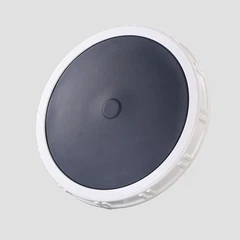
Selecting the right diffuser disc is crucial for optimizing operational efficiency and minimizing costs in water treatment systems. However, the variety of models available in the market can be overwhelming. Here are the key performance indicators to focus on when choosing a diffuser disc:
1. Oxygen Transfer Efficiency (OTE):
The primary function of a diffuser disc is to enhance oxygen dissolution in water. A high OTE ensures more oxygen is effectively utilized, improving treatment efficiency and reducing energy consumption. Typically, diffuser discs utilizing microbubble technology exhibit higher OTE.
2. Bubble Diameter:
The size of the bubbles affects the rate and efficiency of oxygen transfer. Smaller bubbles provide a larger surface area, making oxygen dissolution easier but requiring higher air pressure. Balancing efficiency and energy consumption is essential in this selection.
3,Pressure Drop:
Pressure drop measures the energy loss as air passes through the diffuser disc. Excessive pressure drops lead to higher energy consumption, while too little may cause uneven bubble distribution. An optimal pressure drop ensures stable and efficient operation.

4. Material Properties:
Membranes are commonly made of EPDM, silicone, or PTFE. EPDM is suitable for standard water treatment, silicone offers excellent chemical resistance, and PTFE is ideal for highly corrosive environments. Choosing the right material based on water quality can extend the lifespan of the diffuser disc.
5. Service Life and Maintenance Needs:
High-quality diffuser discs not only last longer but also require less frequent cleaning and maintenance. Selecting durable and easy-to-clean models reduces operational burdens over time.