







Table Of Contents
1. Components of a Septic System
2.How Does a Septic System Work?
A septic system is an on-site wastewater treatment solution commonly used in areas without access to centralized sewer systems. It provides a way to manage and treat household wastewater safely, ensuring that it doesn't pollute the environment or pose a risk to human health. Septic systems are especially common in rural and suburban areas and consist of two main components: a septic tank and a drain field. Let's explore how a septic system works and why it's an effective way to treat wastewater.
1. Components of a Septic System
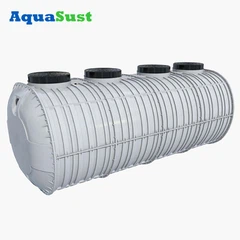
Septic Tank: The septic tank is a buried, watertight container typically made of concrete, fiberglass, or plastic. Its primary function is to hold wastewater long enough for solids to settle at the bottom, forming sludge, while lighter materials like oil and grease float to the surface, forming scum. Bacteria in the tank begin to break down these solids, but the process is only partial, meaning the tank needs to be emptied periodically.
Drain Field (Leach Field): After wastewater separates in the septic tank, the remaining liquid (or effluent) flows to the drain field. This is a network of perforated pipes buried in a gravel-filled trench. The drain field further filters the effluent, allowing clean water to seep into the soil, where naturally occurring bacteria finish breaking down any remaining contaminants.


2.How Does a Septic System Work?
The septic system operates through a series of steps, ensuring wastewater is safely treated and reabsorbed into the environment. Here's a step-by-step breakdown of the process:
1.Wastewater Enters the Septic Tank: When you use water in your home (from sinks, toilets, showers, and appliances), it flows into the septic tank through an inlet pipe. Here, the wastewater is held, allowing the solids to settle and the scum to rise.
2.Separation of Solids and Liquids: Inside the septic tank, the wastewater divides into three layers. The heavier solids sink to the bottom, forming sludge, while oils and lighter particles float to the top as scum. The middle layer, a relatively clear liquid known as effluent, is what flows into the drain field.
3.Bacterial Decomposition: The tank's anaerobic bacteria break down some of the organic matter in the sludge and scum, reducing their volume. However, over time, these materials accumulate, which is why regular pumping is essential to prevent system overload.
4.Effluent Travels to the Drain Field: The middle layer of liquid effluent flows out of the septic tank and into the drain field through perforated pipes. The effluent trickles out of these pipes, slowly seeping into the surrounding gravel and soil layers.
5.Final Filtration and Absorption: As the effluent filters through the soil, it undergoes additional treatment. Soil naturally contains bacteria and other microorganisms that break down any remaining pathogens, organic matter, or pollutants. By the time the effluent reaches groundwater, it's generally free of harmful contaminants.

A septic system is an efficient, self-contained method of wastewater treatment that plays a vital role in maintaining clean water and a healthy environment. By understanding how these systems work and following proper maintenance practices, homeowners can ensure their septic systems function well for many years. Regular care, mindful water use, and prompt attention to any signs of issues can help prevent costly repairs and contribute to a healthier ecosystem.