







Table Of Contents
1. Step 1: Understand The Wastewater Characteristics
2. Step 2: Determine The Treatment Goals
3. Step 3: Select The Appropriate MBBR Media
4. Step 4: Design The Reactor Configuration
5. Step 5: Calculate The Required Volume And Retention Time
6. Step 6: Integrate Pre-Treatment And Post-Treatment Processes
7. Step 7: Monitor And Control System Performance
8. Step 8: Plan For Scaling And Future Expansion
Moving Bed Biofilm Reactor (MBBR) technology has become a popular choice for wastewater treatment due to its efficiency, robustness, and ease of operation. Designing an effective MBBR system requires careful consideration of various factors to ensure optimal performance. This guide provides a step-by-step approach to designing a successful MBBR system.
Step 1: Understand The Wastewater Characteristics

The first step in designing an MBBR system is to thoroughly understand the characteristics of the wastewater to be treated. Key parameters to consider include:
- Biochemical Oxygen Demand (BOD)
- Chemical Oxygen Demand (COD)
- Total Suspended Solids (TSS)
- Nutrient levels (Nitrogen and Phosphorus)
- pH and Temperature
- Presence of toxic substances
Collecting accurate data on these parameters will help in selecting the appropriate design and operational parameters for the MBBR system.
Step 2: Determine The Treatment Goals
Define the specific treatment goals based on regulatory requirements and the desired effluent quality. This includes setting targets for:
- BOD/COD reduction
- Nutrient removal
- Suspended solids removal
Understanding the treatment goals will guide the design process and ensure the system meets the necessary standards.
Step 3: Select The Appropriate MBBR Media

The choice of MBBR media is crucial for system performance. Factors to consider when selecting media include:
- Surface area per unit volume: Higher surface area provides more space for biofilm growth.
- Durability and resistance to abrasion
- Density: Ensures proper suspension and mixing in the reactor.
- Material: Should be non-toxic and resistant to chemicals in the wastewater.
Popular choices for MBBR media include high-density polyethylene (HDPE) and polypropylene.
Step 4: Design The Reactor Configuration
The reactor configuration should ensure efficient mixing and contact between the wastewater and biofilm. Key design elements include:
- Reactor size and shape: Should provide adequate retention time for wastewater treatment.
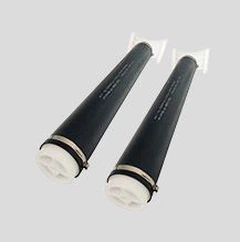
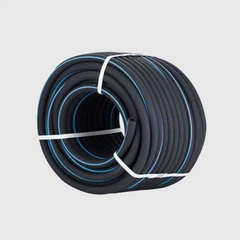
- Mixing and aeration: Proper mixing and aeration are essential for maintaining biofilm activity and preventing media settling. This can be achieved using mechanical mixers or air diffuser.
- Baffles and partitions: Can be used to improve flow distribution and prevent short-circuiting within the reactor.
Step 5: Calculate The Required Volume And Retention Time
Using the wastewater characteristics and treatment goals, calculate the required reactor volume and hydraulic retention time (HRT). This involves:
- Estimating the organic loading rate (kg BOD/m³/day)
- Determining the necessary HRT to achieve desired removal efficiencies
Ensure the reactor volume is sufficient to handle peak flow conditions without compromising treatment performance.
Step 6: Integrate Pre-Teatment And Post-Treatment Processes
MBBR systems often work best when integrated with other treatment processes. Consider including:
- Pre-treatment: Such as screening and grit removal to prevent clogging and damage to the media.
- Post-treatment: Such as sedimentation or filtration to remove residual suspended solids and ensure final effluent quality.
Step 7: Monitor And Control System Performance

Effective monitoring and control are essential for maintaining optimal system performance. Implement a monitoring plan that includes:
- Regular sampling and analysis of influent and effluent quality
- Monitoring of key operational parameters (e.g., DO levels, pH, temperature)
- Periodic inspection and maintenance of the reactor and media
Automated control systems can be used to adjust aeration and mixing based on real-time data, enhancing system efficiency and reliability.
Step 8: Plan For Scaling And Future Expansion
Consider the potential for future expansion when designing the MBBR system. This includes:
- Designing modular reactors that can be easily expanded
- Providing space and infrastructure for additional reactors if needed
- Ensuring the system can handle variations in flow and load
Designing an effective MBBR system requires a comprehensive understanding of wastewater characteristics, treatment goals, and reactor design principles. By following these steps, you can develop a robust and efficient MBBR system that meets your specific treatment needs and regulatory requirements. Proper planning, monitoring, and maintenance will ensure the long-term success of your MBBR system.