







Table Of Contents
1. Key Benefits Of AquaSust MBBR Media
2. Selecting The Right AquaSust MBBR Media
3. Optimizing AquaSust MBBR Media Performance
The Moving Bed Biofilm Reactor (MBBR) technology has revolutionized wastewater treatment by leveraging the power of biofilm carriers, commonly referred to as MBBR media. These media are designed to enhance biomass growth, thereby improving the efficiency and effectiveness of water treatment processes. In this article, we will explore how MBBR media works, its benefits, and key considerations for selecting and optimizing MBBR media for effective water treatment.
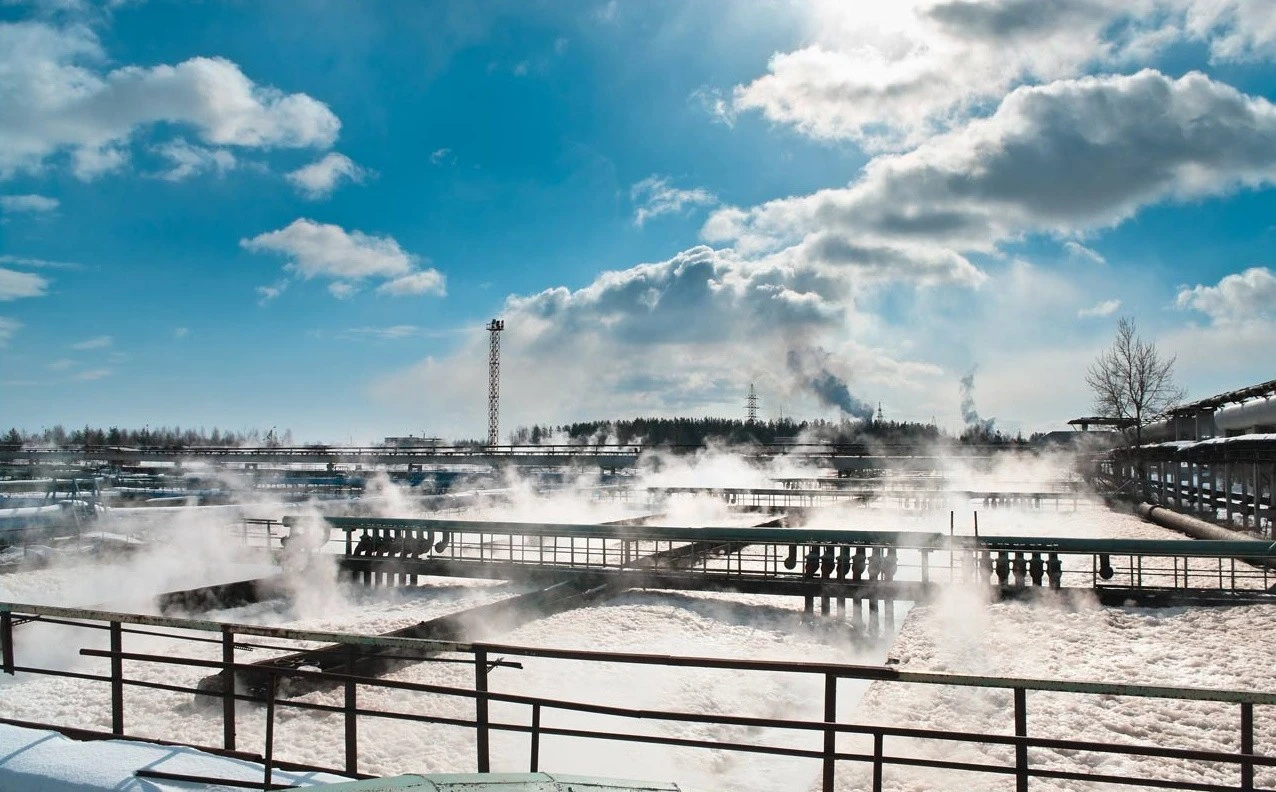
MBBR media are specialized plastic carriers that provide a large surface area for the growth of biofilms. These biofilms consist of microorganisms that degrade organic pollutants and nutrients in wastewater. The media are suspended and continuously mixed within the reactor, ensuring maximum contact between the biofilm and the wastewater. This dynamic environment facilitates efficient pollutant removal and enhances the overall treatment process.
1. Increased Surface Area:
MBBR media are designed with high specific surface areas, which provide ample space for biofilm attachment and growth. This increased surface area allows for a higher concentration of biomass within the reactor, leading to more efficient pollutant degradation.
2. Enhanced Biomass Retention:
The media retain a significant amount of biomass, even during high-flow conditions. This retention capability ensures a stable and resilient microbial population, which is crucial for consistent treatment performance.
3. Improved Treatment Efficiency:
By providing a protected environment for biofilm growth, MBBR media enhance the overall treatment efficiency. The biofilms can effectively degrade organic matter, nitrify ammonia, and denitrify nitrate, resulting in high-quality effluent.
4. Flexibility and Scalability:
MBBR systems can be easily scaled up or down by adjusting the quantity of media and reactor volume. This flexibility makes MBBR technology suitable for a wide range of applications, from small-scale municipal plants to large industrial facilities.
5. Low Maintenance Requirements:
MBBR systems have fewer mechanical parts compared to traditional activated sludge systems, leading to lower maintenance requirements. The self-regulating nature of biofilm growth on the media further reduces the need for frequent intervention.

Choosing the appropriate MBBR media is critical for optimizing system performance. Here are key factors to consider:
1. Material and Durability:
MBBR media are typically made from materials like high-density polyethylene (HDPE) or polypropylene, which are resistant to chemicals and abrasion. Ensure the media material is durable and compatible with the specific wastewater characteristics.
2. Specific Surface Area:
The specific surface area of the media directly influences biomass growth. Higher surface areas provide more space for biofilm development, but it's essential to balance surface area with effective mixing and oxygen transfer.
3. Density and Buoyancy:
The media should have a density that allows it to remain suspended in the reactor while avoiding excessive settling or floating. Proper buoyancy ensures even distribution and contact with the wastewater.
4. Shape and Design:
The shape and design of the media impact biofilm formation and mass transfer. Innovative designs like star-shaped or cylindrical carriers can enhance biofilm growth and improve overall treatment efficiency.
5. Cost and Availability:
Consider the cost-effectiveness and availability of the media. While high-performance media might have a higher upfront cost, their long-term benefits in terms of efficiency and durability can justify the investment.

To maximize the effectiveness of MBBR media, consider the following optimization strategies:
1. Proper Aeration and Mixing:
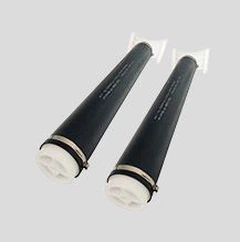
Adequate aeration and mixing are essential to maintain the suspension of the media and ensure sufficient oxygen transfer for aerobic processes. Use diffuser and mixers that provide uniform distribution and minimize dead zones.
2. Monitoring and Control:
Implement a robust monitoring system to track key parameters like dissolved oxygen, pH, and temperature. Automated control systems can adjust aeration and mixing rates based on real-time data, optimizing biofilm activity.
3. Regular Maintenance and Inspection:
Periodically inspect the reactor and media to remove any debris or fouling that could hinder performance. Regular maintenance ensures the system operates at peak efficiency and extends the lifespan of the media.
4. Tailored Loading Rates:
Adjust the organic and hydraulic loading rates based on the specific treatment goals and wastewater characteristics. Proper loading ensures optimal biofilm growth and pollutant removal efficiency.
AquaSust MBBR media play a crucial role in enhancing biomass growth and improving the efficiency of water treatment processes. By providing a large surface area for biofilm development, retaining biomass, and offering flexibility in design and operation, MBBR media have proven to be a valuable component of modern wastewater treatment systems. Careful selection, proper optimization, and regular maintenance of MBBR media can ensure high-quality effluent and sustainable operation, making it an ideal choice for both municipal and industrial applications.