



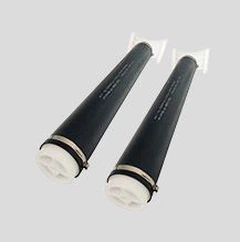




Disc Diffusers are widely used in various sewage treatment and water treatment systems due to their efficient gas transmission capacity and corrosion resistance. However, when treating special water quality, the application of disc diffusers needs to take into account the characteristics of water quality and treatment requirements. This article will discuss the application of disc diffusers in several special water quality and precautions.
1. High-salinity water quality
High-salinity water quality is common in fields such as seawater desalination and salt lake water treatment. In this type of water quality, disc diffusers need to have good corrosion resistance and salt precipitation resistance.
- Material selection: Materials with stronger corrosion resistance, such as EPDM or FKM, should be selected to prevent salt from corroding the rubber diaphragm.
- Maintenance: Check the corrosion of the diaphragm regularly and replace damaged parts in time. Use fresh water for cleaning to remove attached salt.
2. High-temperature water quality
High-temperature water quality is common in fields such as industrial cooling water treatment and geothermal water treatment. In this water quality, the disc diffuser needs to have good heat resistance.
- Material selection: High temperature resistant rubber materials such as silicone rubber (Silicone) or fluororubber (FKM) should be selected to ensure normal operation in high temperature environment.
- Temperature monitoring: Install temperature sensors to monitor water temperature in real time to avoid exceeding the tolerance temperature range of the diffuser.
- Cooling measures: Take cooling measures when necessary, such as adding a cooling water circulation system to reduce the water temperature.
3. Highly polluted water quality
Highly polluted water quality is common in the fields of industrial wastewater treatment and landfill leachate treatment. This kind of water quality contains a large amount of organic matter, heavy metals and suspended solids, which has a great impact on the operation and life of the disc diffuser.
- Pretreatment measures: Before entering the aeration tank, the highly polluted water quality should be pretreated, such as sedimentation, filtration, chemical treatment, etc., to reduce the damage of pollutants to the diffuser.
- Regular cleaning: Increase the cleaning frequency and use high-pressure water guns or chemical cleaning agents to remove pollutants attached to the membrane.
- Monitoring water quality: Regularly monitor water quality parameters such as COD, BOD, SS, etc., and adjust the treatment process in time to ensure the normal operation of the diffuser.
4. Acidic and alkaline water quality
Acidic and alkaline water quality is common in chemical wastewater treatment, electroplating wastewater treatment and other fields. The pH value of this kind of water fluctuates greatly, and there are special requirements for the material and structure of the disc diffuser.
- Material selection: Acid and alkali resistant rubber materials such as fluororubber (FKM) or chloroprene rubber (Neoprene) should be selected to adapt to water quality with different pH values.
- pH value monitoring: Install a pH sensor to monitor the pH of the water in real time to avoid exceeding the tolerance range of the diffuser.
- Neutralization treatment: Take neutralization treatment measures when necessary, such as adding acid or alkali to adjust the pH value of the water to an appropriate range.
Conclusion
When the disc diffuser treats special water quality, it is necessary to select appropriate materials, take appropriate maintenance measures and monitoring methods according to the characteristics of the water quality and treatment requirements to ensure its efficient and stable operation. Whether it is high salinity, high temperature, high pollution or acidic or alkaline water quality, proper application and maintenance can extend the service life of the disc diffuser and improve the overall performance of the water treatment system.