


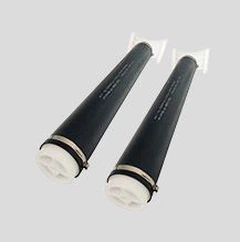




Disc Diffuser is a widely used equipment in sewage treatment and water treatment, mainly used in aeration process to increase the dissolved oxygen content in water. This article will introduce the working principle, application scenarios and maintenance methods of disc diffusers in detail.
Working Principle
Disc diffusers usually consist of a circular rubber diaphragm and a supporting structure. Air enters the bottom of the diffuser through a pipe and is then released into the water through tiny holes in the rubber diaphragm to form tiny bubbles. These bubbles come into contact with the water during the rise process, thereby transferring oxygen to the water.
Application Scenarios
Disc diffusers are widely used in various sewage treatment facilities, including but not limited to:
- Municipal sewage treatment plants: used to treat urban domestic sewage, increase the dissolved oxygen content in the water, promote the growth of microorganisms, and accelerate the decomposition of organic matter.
- Industrial wastewater treatment plants: used to treat industrial wastewater, especially in the biochemical treatment stage where a large amount of aeration is required.
- Water treatment system: Disc diffusers also play an important role in drinking water treatment and industrial water treatment.
Advantages
1. Efficient gas transmission: The disc diffuser can produce fine bubbles, increase the gas-liquid contact area, and improve the oxygen transfer efficiency.
2. Strong corrosion resistance: Made of high-quality rubber material, it can be used for a long time in harsh environments.
3. Easy to maintain: The structure is simple and easy to clean and replace the membrane.
4. High flexibility: The aeration volume and aeration method can be adjusted according to different treatment needs.
Maintenance and care
In order to ensure the efficient operation of the disc diffuser, regular maintenance and care are essential. The following are some common maintenance measures:
1. Regular inspection: Regularly check the appearance of the diffuser, especially whether the membrane is damaged, cracked or aging. If any abnormality is found, the membrane or the entire diffuser should be replaced in time.
2. Cleaning: Clean the surface of the diffuser regularly to remove attached dirt and impurities. It can be cleaned with clean water and a soft brush. For dirt that is difficult to remove, a high-pressure water gun can be used for cleaning.
3. Monitor air flow: Check whether the air flow of the diffuser is uniform. If the air flow in a local area is found to be too large, it may be due to leakage of the air distribution branch pipe or damage to the diaphragm, which requires corresponding repair or replacement.
4. Monitor water quality: Strengthen the monitoring of the sewage treatment system, promptly detect and deal with abnormal water quality, and prevent damage to the rubber diaphragm.
5. Reasonably adjust the working parameters: According to the actual water volume and water quality, reasonably adjust the working pressure and aeration volume to avoid fatigue and damage of the diaphragm due to excessive use.
Conclusion
As an efficient aeration equipment, the disc diffuser plays an important role in the field of sewage treatment and water treatment. By understanding its working principle, application scenarios and maintenance methods, this equipment can be better utilized to improve the efficiency and reliability of the water treatment system. Whether it is municipal sewage treatment or industrial wastewater treatment, the disc diffuser is one of the indispensable key equipment.