




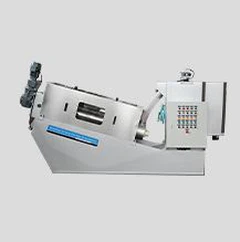



The working principle of a screw press is based on the use of a screw to separate liquids from solids by applying pressure. The screw rotates inside a cylindrical screen, and as it rotates, it pushes the solid material through the screen. This separates the liquid from the solid, allowing the liquid to be collected and the solid to be discharged.
Here is a step-by-step explanation of the working principle of a screw press:
Material is fed into the press: The material to be processed is fed into the press through a hopper or feed inlet.
Screw rotation: The screw rotates, causing the material to move along the screw in a helical path.
Material is pushed through the screen: As the screw rotates, it pushes the solid material through the screen, which separates the liquid from the solid.
Liquid separation: The liquid is collected in a trough or tank below the screen, while the solid material is pushed through the screen and out of the press.
Solid discharge: The solid material is discharged from the press and collected for further processing or disposal.
Liquid collection: The liquid that is collected from the press can be further treated or disposed of, depending on the specific application.
The screw press is designed to handle a wide range of materials, and it is commonly used in various industries, such as wastewater treatment, food and beverage processing, pulp and paper production, agriculture, mining, and oil and gas. The efficiency and cost-effectiveness of the screw press make it a popular choice for many applications.