





By: Kate
Email:kate@aquasust.com
Date: 7th February 2025

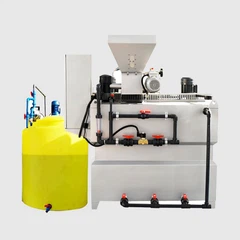
The sewage treatment dosing system is an environmentally friendly chemical water treatment dosing device. It integrates a dosing box, a metering pump (diaphragm pump), and an automatic control system. That is, it is installed on a base, and the metering pump outlet is connected to the dosing pipeline, the metering box inlet and outlet are connected to the water inlet pipe, and the control cabinet power supply and detection instrument signals are sent to the control cabinet to realize the overall combination of dissolving liquid and metering dosing functional units.
Precautions:
Dosing is an important part of the domestic sewage treatment process. Whether the dosage is reasonable is the key to determining the quality of the treated water. Different water qualities require different dosages. The dosage of various drugs must be determined by small sample tests based on the composition and concentration of the incoming water.
1. Dosing steps for domestic sewage treatment equipment
① Turn the knobs of each device on the operation panel of the domestic sewage treatment equipment to manual or automatic, and control the devices in the control system to start up (manual mode, you need to click the start button by hand). Keep a good startup record.
② According to the PH value monitored online, add an appropriate amount of prepared alkali solution, start the stirring system, and adjust it to the specified PH value.
③ Add the prepared coagulant and flocculant in sequence, and adjust the dosage according to the test water quality.
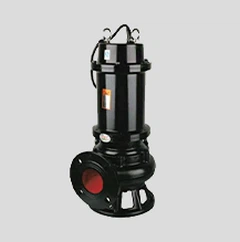
④ The wastewater from the flocculation reaction tank flows into the primary sedimentation tank by gravity, and the bottom sludge is lifted into the sludge tank by the sludge pump.
2. Precautions for dosing domestic sewage treatment equipment
① Various reagents must be stored separately to prevent moisture.
② Check the dosing equipment regularly and remove debris regularly.
③ Check the lubrication of the agitator and metering pump regularly and perform maintenance every three months.
④ Check the sewage in the pool regularly and inspect the floccules formed by the sewage reaction in the pool to adjust the dosage. When the flocs are small, more flocculants need to be added.