





By: Kate
Email:kate@aquasust.com
Date: 4th December 2024

The Importance of Diffuser Disc Performance Optimization
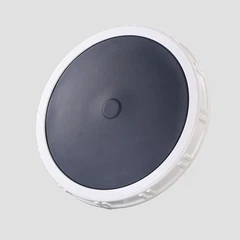
Diffuser discs play a critical role in wastewater treatment by providing sufficient oxygen to promote microbial metabolism. However, their role extends beyond oxygen supply; optimizing their performance improves oxygen transfer efficiency and reduces energy consumption. Performance optimization of diffuser discs can significantly improve treatment efficiency and lower operating costs. Below are some common optimization strategies:
1,Selecting the Right Type of Diffuser Disc
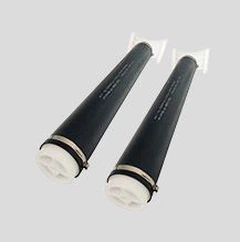
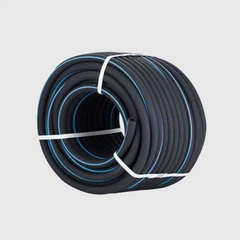
There are various types of diffuser discs available in the market, such as micro-porous, fine-porous, and medium-porous diffuser discs. Choosing the right type is crucial. The correct bubble size and oxygen transfer efficiency can improve oxygen utilization and reduce energy consumption. For instance, micro-porous diffuser discs create finer bubbles, providing a larger contact area, thereby enhancing oxygen transfer efficiency.
2,Optimizing Airflow Distribution
The airflow distribution in the diffuser disc system must be uniform to avoid excessive or insufficient aeration in certain areas. By properly arranging pipelines and adjusting airflow, the even distribution of air can be achieved, improving oxygen utilization and reducing unnecessary energy consumption.
3,Adjusting Aeration Time
Excessive aeration time leads to energy waste, while insufficient aeration might fail to meet the required treatment level. By adjusting the aeration cycle, the system can be operated within its optimal efficiency range, thus reducing energy consumption.


Energy-Saving Technologies Applied to Diffuser Discs
1,Variable Frequency Drive (VFD) Technology
Variable frequency drive (VFD) technology is a key method for controlling energy consumption in diffuser disc systems. By adjusting the speed of the air compressor, VFD ensures that only the necessary amount of air is supplied, preventing energy waste from over-aeration.
2,Multi-Stage Aeration Control
Multiple aeration zones can be set up, each with independent control over its aeration volume. This allows for flexible adjustment of aeration intensity in each zone according to water quality and treatment needs, ensuring that each stage operates at optimal energy efficiency.
3,Dissolved Oxygen Control System
The dissolved oxygen (DO) control system monitors the concentration of dissolved oxygen in real time and automatically adjusts the airflow to the diffuser discs to maintain optimal oxygen transfer performance. This method prevents both over-aeration and insufficient aeration, resulting in energy savings.
Energy Impact of Maintenance and Management
Regular inspection and maintenance of diffuser discs are also crucial for improving system efficiency. Damaged or aging diffuser discs can cause uneven bubble distribution, lower oxygen transfer efficiency, and even increase energy consumption. By promptly replacing or repairing damaged parts, the diffuser discs can maintain high-efficiency operation and extend the lifespan of the equipment.
Conclusion
By selecting the right diffuser discs, optimizing airflow distribution, employing energy-saving technologies, and conducting regular maintenance, wastewater treatment plants can not only improve treatment performance but also reduce energy consumption. The integration of performance optimization and energy-saving technologies contributes to both environmental benefits and reduced operating costs. As technology advances, the performance of diffuser discs will continue to improve, and the wastewater treatment industry will achieve more significant energy-saving and emission-reduction results.