



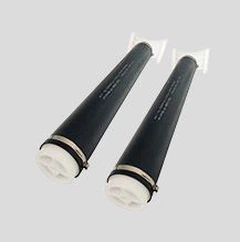




MBBR compared to bio block

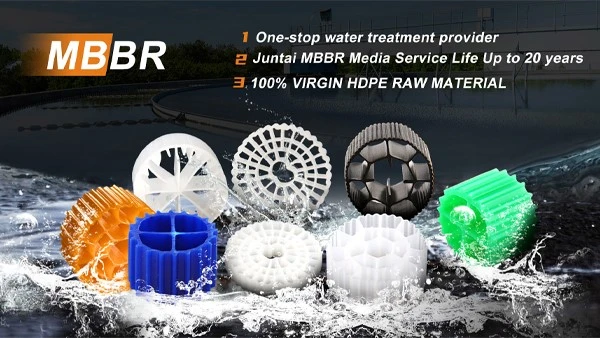
MBBR Media

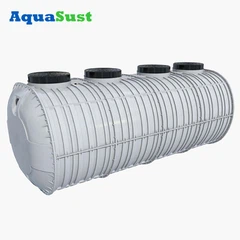
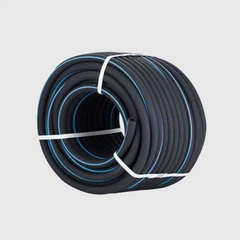
Bio Block
MBBR (Moving Bed Biofilm Reactor) media and Bio Block are both biological filter technologies commonly used in the field of wastewater treatment. They have their own advantages and disadvantages, here is a detailed comparison of them:
Advantages of MBBR media:
Efficient biodegradation:
MBBR media provides a large amount of surface area and can support the growth of a large number of biodegradable microorganisms, thus achieving efficient organic degradation.
Small footprint:
MBBR systems usually have a relatively small footprint and are suitable for construction in limited land space.
Good stability:
MBBR system has strong adaptability to load fluctuations, and can maintain relatively stable performance under large load changes.
Easy maintenance:
The MBBR system is relatively easy to maintain, the removal or replacement of the filter material is relatively simple, and there is no need to shut down the system on a large scale.
Suitable for industrial and small sewage treatment:
MBBR systems are suitable for industrial and small sewage treatment and can be expanded as needed.
Disadvantages of MBBR media:
High initial investment:
The construction and equipment investment of the MBBR system is relatively high, mainly due to the cost of the medium and the investment in the gas supply equipment.
Gas-supplying equipment required:
MBBR systems require gas-supplying equipment to maintain microbial growth in the biofilter, which can increase energy consumption.

Benefits of Bio Block:
Low cost:
Bio Blocks are usually made of inexpensive plastic or ceramic materials, so the cost is relatively low.Reduced equipment complexity: Compared to MBBR, Bio Block is relatively simple to operate and maintain as it does not involve the maintenance and management of mobile bed media. This reduces technical requirements and human resource requirements.
Airless supply:
Bio Block does not require additional gas supply equipment because it relies on natural convection to provide oxygen.
Long life:
Bio Block materials are generally durable and have a long life, reducing maintenance costs.
Suitable for small systems:
Bio Block is suitable for small and distributed sewage treatment systems without the need for large-scale equipment and facilities.
Disadvantages of Bio Block:
Lower biofilm volume:
Bio blocks have a smaller surface area relative to MBBR media, so the biofilm volume may be lower, resulting in less efficient processing.
Sensitive to load fluctuations:
Bio Block is less adaptable to load fluctuations and may require more time to adapt to changing loads.
More space required:
Due to its lower surface area, the Bio Block system may require a larger treatment container to achieve the same sewage treatment results.
Load fluctuation refers to the change of the amount of wastewater treated in the sewage treatment system and the water quality characteristics in a certain period of time. This fluctuation can include the following aspects:
Flow fluctuation:
The amount of wastewater flowing into the sewage treatment system is constantly changing, which may be caused by domestic, industrial or commercial activities over different time periods. For example, there are often significant differences in wastewater flows during the day and at night.
Sewage water quality fluctuations:
The water quality characteristics of wastewater can fluctuate due to changes in the types and concentrations of pollutants contained. This can be due to different industrial processes, rainwater inflow caused by rainfall, or other factors.
Load fluctuations have a certain impact on the performance of the sewage treatment system, as the system needs to adapt to these fluctuations to ensure that it can still effectively remove pollutants under different conditions. Some processing systems, such as MBBR (Moving Bed Biofilm Reactor) or SBR (sequential batch bioreactor), have good adaptability to load fluctuations, and can maintain stable processing performance to a certain extent. However, in extreme cases, large load fluctuations may require additional measures to maintain system performance, such as increasing oxygen supply, adjusting aeration rates, or changing wastewater treatment processes. Therefore, when designing and operating sewage treatment systems, load fluctuations need to be considered to ensure that the system can operate effectively under different load conditions.
In summary, MBBR media is suitable for large and industrial wastewater treatment systems where high efficiency and stability are required, while Bio Block is suitable for small and distributed systems, especially those with limited budgets. The choice of technology should be based on the specific project requirements, budget, and available resources.