






How to Treat Chemical Wastewater: Key Challenges and Solutions
1. Complex Composition
Contains various organic and inorganic substances, such as aromatic compounds and heavy metals.
2. High Toxicity
Often contains toxic and hazardous substances, posing significant harm to living organisms.
3. Wide pH Variability
May be strongly acidic or alkaline; contains many refractory substances that are difficult to degrade by conventional methods.
4. High Salinity
Some chemical wastewater has a high salt content.
---
Treatment Methods
Method 1: Conventional Treatment Process
- Primary Treatment
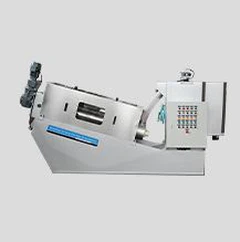
Mainly removes suspended solids, colloidal substances, floating oil, or heavy oil. Techniques include flow and load equalization, natural sedimentation, flotation, and oil separation.
- Secondary Treatment
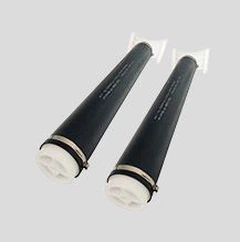
Primarily targets biodegradable organic dissolved substances and some colloidal matter, reducing biochemical oxygen demand (BOD) and partial chemical oxygen demand (COD). Biological treatment methods are commonly used. After secondary treatment, residual COD may remain, along with potential color, odor, or taste issues. If stricter environmental standards apply, tertiary treatment is required.
- Tertiary Treatment
Focuses on removing non-biodegradable organic pollutants and soluble inorganic pollutants. Common methods include activated carbon adsorption, ozone oxidation, ion exchange, and membrane separation technologies.

Method 2: Advanced Treatment Technologies
- Pretreatment
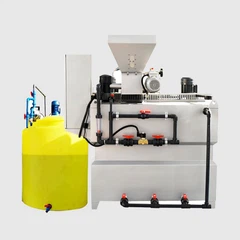
- Advanced Oxidation: Fenton reagent (H₂O₂/Fe²⁺) for refractory COD removal (40-70% efficiency).
- Electrocatalytic Oxidation: BDD electrode for cyanide-containing wastewater treatment (current efficiency up to 85%).
- Biological Treatment
- Anaerobic Process: IC reactor with COD loading capacity of 15-30 kgCOD/(m³·d).
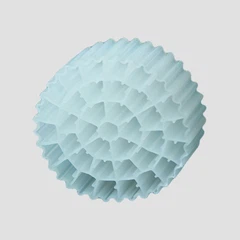
- Aerobic Process: MBBR biofilm method with sludge concentration of 8-12 g/L.
- Advanced Treatment
- Catalytic Ozonation (TiO₂/UV system): TOC removal >60%.
- Reverse Osmosis (fouling-resistant membranes): Recovery rate >70%.