






1. Main Characteristics
High water consumption and high wastewater production. Dyes impart a dark color to the wastewater, making it difficult to remove due to the high chroma.
Treatment Methods:
Wastewater can be recycled and reused according to its quality characteristics.
Detoxification methods include physical, chemical, and biological treatment.

Physical Treatment Methods
1. Adsorption
Materials: Activated carbon, bentonite, industrial waste residues (such as fly ash), or novel adsorbents (such as MOFs).
Function: Removes dye molecules (especially cationic dyes) and some heavy metals.
2. Membrane Separation Technology
Types: Ultrafiltration (UF), Nanofiltration (NF), Reverse Osmosis (RO).
Applications: Retention of large-molecule dyes (such as reactive dyes) and salt recovery (such as RO concentrate reuse).
3. Coagulation/Flotation
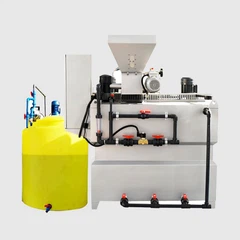
Agents: PAC (polyaluminum chloride), PAM (polyacrylamide), iron salts, etc. Effect: Removes suspended matter, colloidal matter, and some hydrophobic dyes (such as disperse dyes).
Chemical Treatment Methods
1. Advanced Oxidation Processes (AOPs)
Fenton Process: H₂O₂ + Fe²⁺ generates ·OH radicals, degrading azo dyes (such as Acid Orange 7).
Ozone Oxidation: Directly oxidizes chromophores (such as -C=N- and -N=N-), achieving decolorization rates exceeding 90%.
Electrochemical Oxidation: Mineralizes recalcitrant organic matter through electrode reactions (such as BDD electrodes).
2. Reduction Methods
Zerovalent Iron (ZVI): Reduces azo dyes (breaking -N=N- to form amino compounds).
NaHSO₃/Fe²⁺: Targets chromium-containing wastewater (Cr⁶⁺ → Cr³⁺ precipitation).
3. Photocatalytic Degradation
Catalysts: TiO₂, g-C₃N₄, etc., generate reactive oxygen species (ROS) under UV/visible light. Application: Treatment of wastewater containing anthraquinone and triphenylmethane dyes.
Biological Treatment Methods
1. Aerobic Biological Treatment
Activated Sludge Process: Targets easily degradable organic matter (such as starch slurry), but is ineffective at decolorizing dyes.
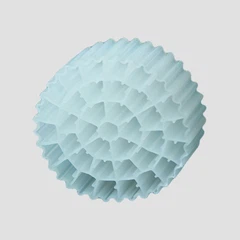
Biological Film Bacteria (MBBR): Biofilm formation on carriers increases bacterial abundance and tolerates moderate concentrations of toxic substances.
2. Anaerobic Biological Treatment
UASB/EGSB Reactors: Hydrolyze and acidify macromolecular organic matter (such as PVA slurry), co-producing methane.
Key to decolorization: Azoreductase secreted by anaerobic bacteria cleaves the dye's chromogenic groups.
3. Composite Bacterial Agent Technology
Functional Bacteria: White-rot fungi (secrete lignin peroxidase) and Sphingomonas (degrade aniline compounds).
Application: Targets desizing wastewater containing PVA (polyvinyl alcohol) and surfactants.