





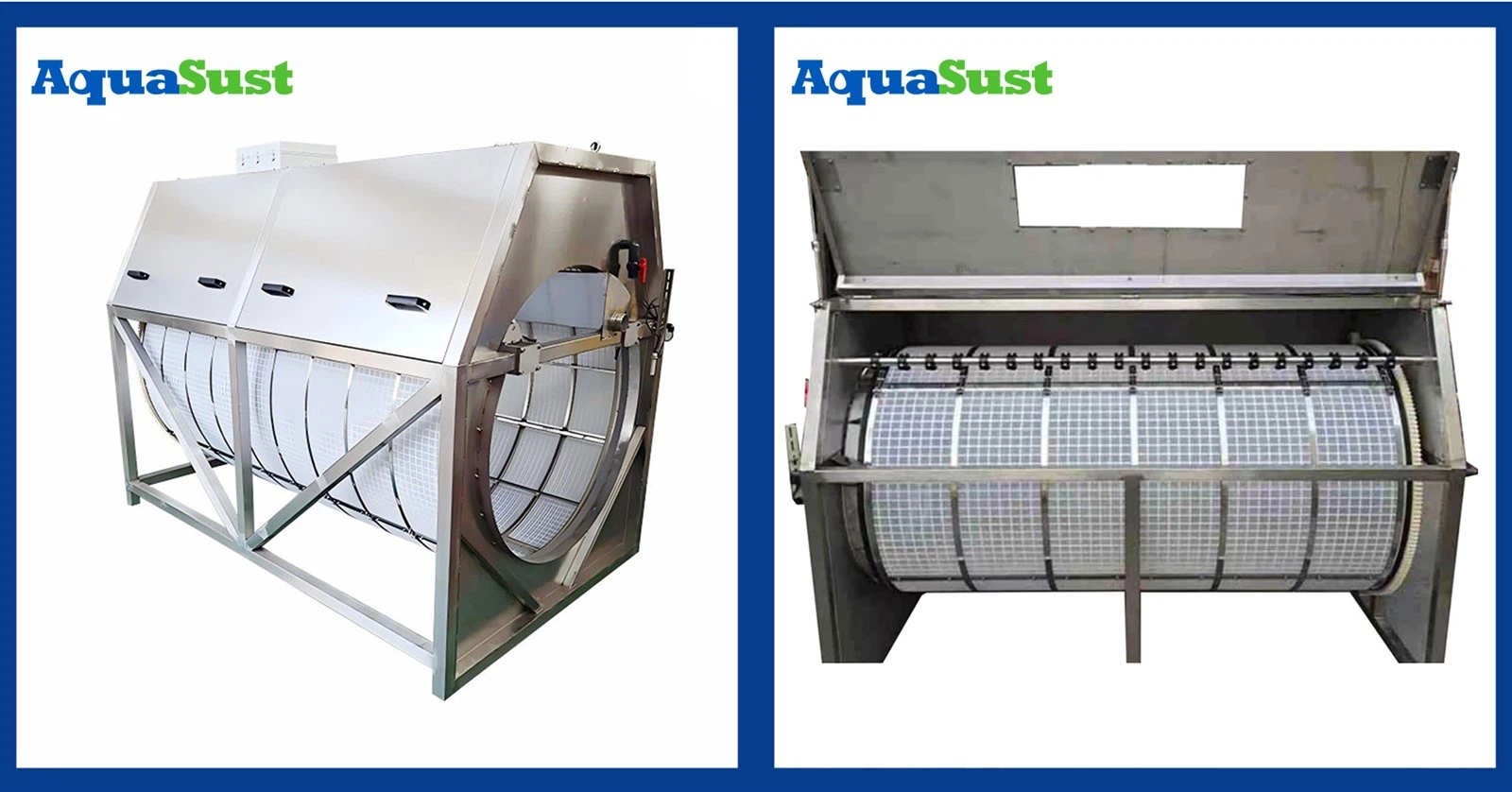
1. Turbidity
Turbidity is a key indicator of suspended particles in water. A turbidity meter can be used for measurement. Generally, water filtered by a drum filter should show a significant reduction in turbidity. For example, in unfiltered recirculating aquaculture systems, turbidity might reach tens or even hundreds of NTU (Nephelometric Turbidity Units). After effective filtration, turbidity should ideally drop below 10 NTU. In high-demand aquaculture scenarios, such as rare ornamental fish breeding or fry cultivation, post-filtration turbidity may need to be controlled within 1–5 NTU.
2. Total Suspended Solids (TSS)
Use online sensors to monitor suspended solids in real time. Before filtration, collect water samples to measure TSS (in mg/L). Repeat the test after drum filtration. An efficient drum filter should remove most suspended solids. For instance, if unfiltered water has a TSS of 100 mg/L, post-filtration levels should decrease to around 10 mg/L, depending on the drum filter's precision and the characteristics of suspended particles.
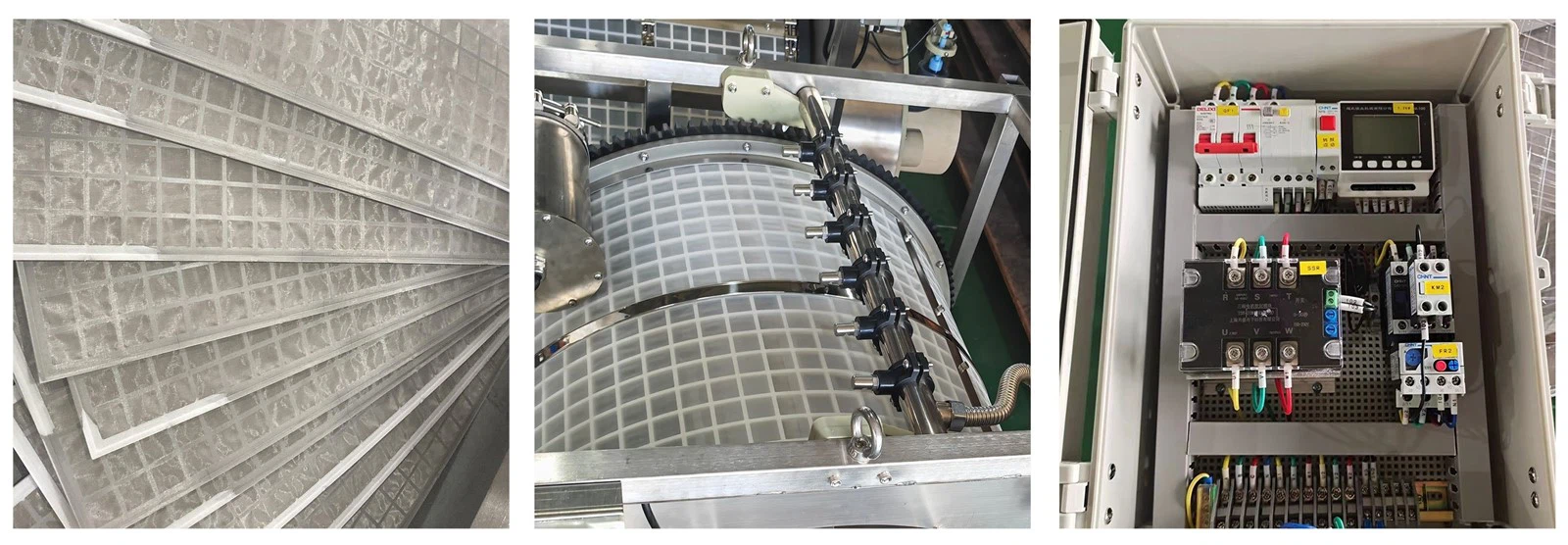
3. Filter Screen Inspection
After prolonged operation, shut down the drum filter and inspect the screen. A uniform layer of trapped impurities on the screen surface with no visible large-particle penetration indicates good filtration. Conversely, if large unfiltered particles or screen breaches are observed (allowing direct passage of impurities), filtration efficiency is compromised. For example, residual feed pellets or fish feces on the screen are normal, but if similarly sized particles appear in the filtered water, the screen may be damaged.
Conduct regular integrity tests on the screen using methods like:
- Pressure testing: Apply pressurized gas/liquid to one side of the screen and check for leaks on the opposite side.
- Bubble testing: Submerge the screen in water, inject gas from one side, and observe bubbles on the other side. Leakage or bubbles indicate screen damage affecting filtration.

4. Comparison of Inlet/Outlet Water Appearance and Odor
Appearance:
Visually compare water clarity. Turbid, discolored inlet water (e.g., green from algae) with floating debris should become clear and transparent after drum filtration. For example, muddy inlet water should transform into visibly clear effluent where tank details are easily discernible.
Odor:
Aquaculture water often carries organic decomposition odors (e.g., fishy or putrid smells). Effective drum filtration should reduce these odors by removing odor-causing organic matter like uneaten feed or feces. For instance, a recirculating system with strong fishy-smelling inlet water should show noticeably milder odors post-filtration, indicating successful contaminant removal.
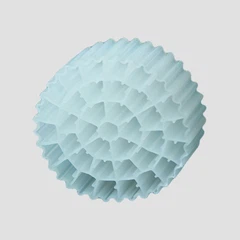
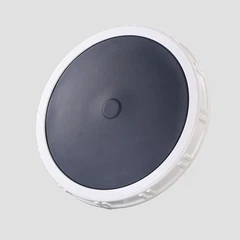
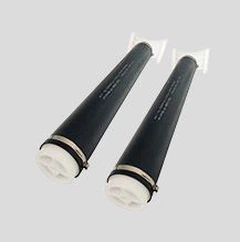
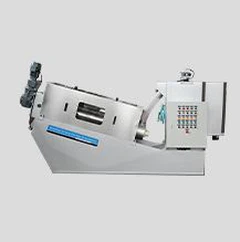
Aquasust provides comprehensive wastewater treatment solutions and is a professional supplier of sewage treatment equipment. We manufacture core products including MBBR media, Disc diffusers, Tube diffusers, Drum Filterand Tube settlers, committed to delivering high-quality products for the global water treatment sector.