







Causes:
1. Equipment Quality Defects
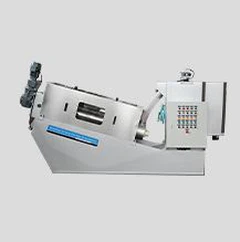
- The filtration chambers of screw presses are formed by stacking stationary and rotating rings. During operation, relative motion occurs between these rings.
- Poor Flatness or Insufficient Thickness: Rings with inadequate surface flatness or substandard thickness may experience uneven wear, leading to sludge leakage ("mud blowout"). Prolonged operation under such conditions subjects the rings to excessive stress, ultimately causing warping or deformation.
2. Excessive Feed Flow Rate
- Each screw press model is designed for a specific processing capacity. The feed flow rate must align with the equipment's capabilities, chemical conditioning parameters, and sludge characteristics.
- Overloading: A feed flow exceeding the press's rated capacity forces the rings to operate under excessive mechanical and hydraulic pressure, accelerating structural fatigue and deformation.

3. Sludge Composition Issues
- Sludge containing abrasives (e.g., sand, grit), adhesives (e.g., oils, greases), fibrous materials, or high-solid inert debris (e.g., desiccated or "dead" sludge) poses significant risks:
- Clogging: Particulates or viscous components obstruct the filtration gaps, increasing internal pressure.
- Imbalanced Pressure Distribution: Irregular sludge flow creates localized stress points, accelerating wear and distorting ring geometry.
Technical Implications:
- Material Fatigue: Poor-quality rings or chronic overloading degrade the structural integrity of the rings, leading to irreversible deformation.
- Operational Downtime: Severe warping compromises dewatering efficiency and necessitates costly ring replacement.