






Characteristics of FGD Wastewater:
1. Complex Composition
Contains heavy metals (e.g., Hg²⁺, Pb²⁺) and high concentrations of Cl⁻ (10,000–20,000 mg/L) and F⁻ (50–200 mg/L).
2. High Corrosivity
Low pH (4–6) and high chloride content accelerate metal corrosion (corrosion rate: 1.5–3.0 mm/a).
3. Scaling Risk
Scaling substances (e.g., CaSO₄·2H₂O, CaCO₃) exceed 3% in concentration.

Treatment Methods
Method 1: Conventional Chemical Precipitation
Process Flow:
FGD wastewater → Wastewater tank → Feed pump → pH neutralization tank (lime addition) → Reaction tank (coagulant/flocculant) → Clarifier → Effluent tank → Discharge
System Components:
- Wastewater treatment unit (neutralization, sedimentation, flocculation)
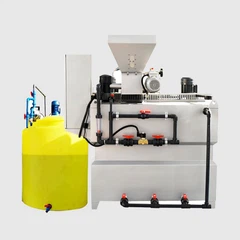
- Chemical dosing system (alkali, organic sulfur, coagulants)
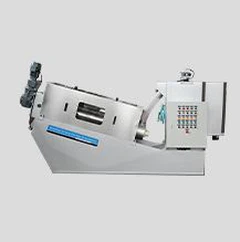
- Sludge treatment unit (dewatering, disposal)
Key Features:
- Removes suspended solids (SS), heavy metals (Cu²⁺, Hg²⁺), and fluorides.
- Compliance with discharge standards via multi-stage precipitation.
Method 2: Innovative "Chemical Softening + Membrane Concentration" Process
Process Flow:
FGD wastewater → Presedimentation tank (60% SS removal) → pH adjustment tank (Ca(OH)₂, pH 9–9.5) → Reaction tank (organic sulfur + coagulant) → Tubular microfiltration (TMF) membrane (>95% SS removal) → Clear water tank (pH adjusted to 6–9) → DTRO membrane (>95% Cl⁻ rejection) → Reuse/Discharge
Advantages:
- Replaces traditional clarifiers with compact membrane filtration for higher efficiency.
- Achieves >75% water recovery, enabling zero liquid discharge (ZLD) potential.

Key Innovation:
The hybrid "chemical softening + membrane concentration" technology significantly improves treatment efficiency and water reuse rates, addressing challenges like scaling and chloride corrosion in FGD wastewater.