



MBBR PPC Porous Polymer Carriers
product description
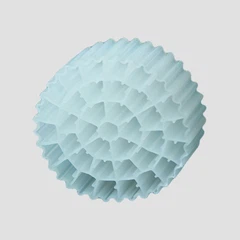
Polyurethane bio-filler is a new series of products developed from a variety of fillers in domestic sewage treatment and biological membrane treatment technology. Excellent air permeability, good permeability, and high microbial activity.

Technical Principle
Different microorganisms (from bacteria to ciliates to rotifers) concentrate on the surface of the carrier to form a biofilm. In an aerobic system, the carrier is maintained in a fluidized state by aeration. Contaminants accumulate on the biofilm through this movement and are then degraded by microorganisms.
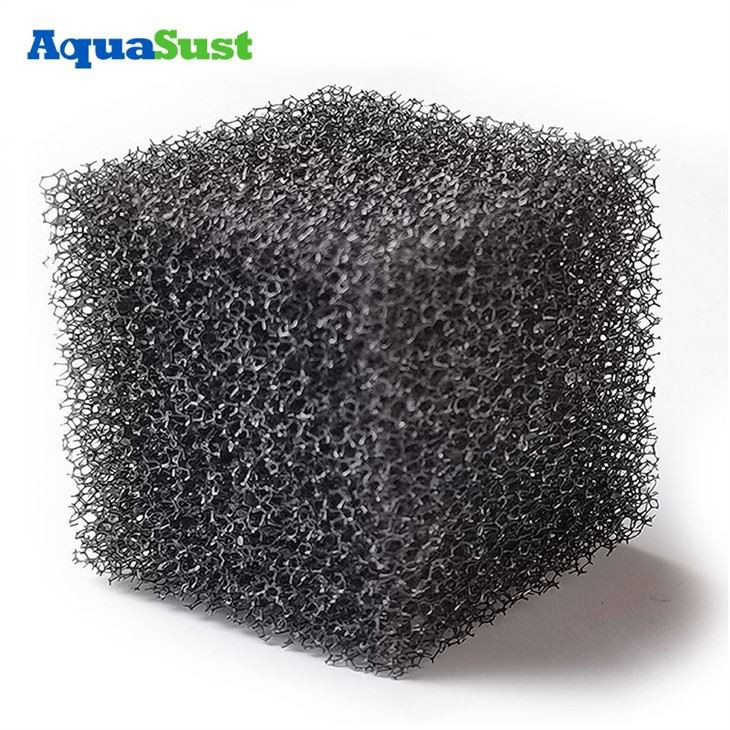
Polyurethane bio-filler, polyurethane sponge filler has rough surface, large specific surface area, high porosity, and evenly interpenetrated pores, which is conducive to the contact and growth of microorganisms, and achieves the multi-directional culture of the whole biological sponge filler. It is an ideal product for microbial carriers in the current biological treatment technology.

Characteristic
Specific surface area
Strong hydrophilicity
Good water quality
Biofilms grow fast
No sludge return
Biological wastewater treatment is very widely used to remove biodegradable
Material from wastewater. The first lesson (part one) of this series, biological wastewater
Treatment I-activated sludge, starting from the discussion of biochemical oxygen
Demand and reasons for biodegradable materials in water
The material must be removed from the wastewater. This course (Part 2) of this series is about
Moving bed biofilm reactor (MBBR) wastewater treatment process, including
Background information and description of the process, and
Process design calculations and calculations for several different configurations of MBBR process
Many example calculations.
Fan energy consumption is low
Efficient removal of contaminants
High microbial attachment


Aquasust Hydrophilic Polyurethane Bio-filler is a new type of bio-filler modified and synthesized by polymer polyurethane materials. The combination of macropores and micropores provides basic conditions for macropores to maintain stable gas, liquid, and solid states. Micropores are used to adsorb and immobilize microorganisms. The micropores contain hydrophilic active groups such as amino groups, carboxyl groups, and epoxy groups, which enable HPU MBBR Biomedia to quickly absorb water, swell and settle, and enable microorganisms and biological enzymes to be quickly adsorbed and fixed on HPU MBBR Biomedia. Simultaneously. The density of the immobilized microbial HPU biological medium is greater than the density of water, so that it quickly forms a sedimentation in the water with a large microbial load and a volume load larger than the surface area. Due to the structural characteristics of HPU biological media, it makes it possible to mix and exchange sewage, air and biofilms, so that a large number of bacteria can quickly enter the carrier and maintain greater activity and gap variability. In addition, during operation, driven by the three-dimensional flowing sewage, the gases collide with each other and are cut into smaller bubbles by the HPU biological medium in a static state, which improves the utilization rate of oxygen and reduces aeration. Quantity. Therefore, HPU biological media, as a new type of biological media, has the characteristics of strong bubble cutting ability, large space volume utilization, and no blind spots.

Hot Tags: density of polyurethane foam, China, suppliers, manufacturers, factory, cheap, in stock, free sample