







Types Of Screw Press And Their Difference
What Is A Screw Press
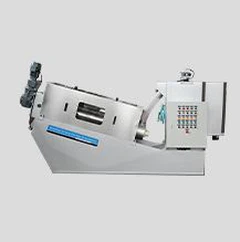
A screw press is a type of machine that uses a screw-like mechanism to apply pressure to a material. This type of press works by rotating a screw, which compresses and pushes the material through a die or a forming surface, creating a specific shape.
Screw presses are used in a variety of applications, including oil extraction, juice extraction, briquetting, and metal forming. They can also be used to compact and shape materials such as plastics, composites, and powders.
Screw presses can vary in size and design, and can be powered by hydraulic, mechanical, or electrical means. The specific design of a screw press is determined by the type of material being processed and the desired outcome.
Overall, screw presses are a versatile and effective tool for shaping and compacting materials, and they are commonly used in a wide range of industries, including manufacturing, food and beverage processing, and agriculture.
Types Of Screw Press
There are various types of screw presses, including:
Single-screw press: This is the simplest type of screw press, consisting of a single screw within a cylinder. The screw rotates and compresses the material against the cylinder wall, forcing out the liquid.
Twin-screw press: This type of press has two screws that rotate in opposite directions and mesh with each other. This allows for more efficient and consistent compression of the material.
Horizontal screw press: In this type of press, the screw runs horizontally, and the material is fed in through one end and pushed out the other.
Vertical screw press: This type of press has a vertically oriented screw that compresses the material against the bottom of the cylinder.
Continuous screw press: In this type of press, the material is fed continuously into the cylinder and compressed as it moves through the press.
The specific type of screw press used depends on the material being processed and the desired outcome.
Difference Between Different Screw Press
There are various types of screw presses that are differentiated based on their design, functionality, and application. Some of the differences between different screw presses include:
Screw type: Some screw presses use a single-screw design, while others use a double-screw or twin-screw design. The type of screw used can affect the efficiency and effectiveness of the press.
Capacity: Screw presses can vary greatly in terms of their capacity, ranging from small presses for small-scale operations to large industrial presses for large-scale production.
Application: Screw presses can be designed for specific applications, such as oil extraction, juice extraction, or waste treatment. These presses are often tailored to the specific requirements of their application, such as the size and type of material being processed.
Construction materials: The construction materials of a screw press can vary, with some being made of cast iron, while others are made of stainless steel or other corrosion-resistant materials.
Speed: Screw presses can also differ in their speed, with some operating at high speeds for fast processing, while others operate at slower speeds for more precise and controlled extraction.
Automation: Some screw presses are fully automated, while others are manually operated. Automated presses may offer greater efficiency, but manual presses may be more versatile and flexible in terms of processing different materials.
Not only are there differences between different screw presses, but there are also great differences between screw presses and traditional filter presses and hydraulic presses.
Screw Press Vs Filter Press
Screw presses and filter presses are both types of mechanical dewatering equipment, but they work on different principles and have some key differences:
Operating principle: A screw press uses a continuous screw to apply pressure and force water out of the material being dewatered, while a filter press uses a series of plates and frames with filter media to separate solids from liquids under pressure.
Performance: Screw presses are generally better suited for dewatering materials with a high fiber content, such as fruit and vegetable pulp, while filter presses are better suited for materials with a high percentage of fine particles, such as sludge.
Maintenance and cleaning: Screw presses are generally easier to maintain and clean than filter presses, which require regular cleaning of the filter media.
Capital and operating costs: Screw presses are generally less expensive to install and operate than filter presses, especially for smaller-scale operations. However, for larger-scale operations, filter presses may be more cost-effective due to their higher capacity and efficiency.
In summary, the choice between a screw press and a filter press will depend on the specific requirements of the application, such as the type of material being dewatered, the desired throughput, and the available budget.
Screw Press Vs Hydraulic Press
Screw press and hydraulic press are both types of mechanical presses that are used to apply pressure to materials. However, there are several key differences between the two:
Mechanism of Operation: A screw press uses a rotating screw to apply pressure to the material, while a hydraulic press uses a hydraulic cylinder to generate pressure.
Speed of Operation: Screw presses typically have a slower speed of operation compared to hydraulic presses. This is due to the fact that the screw must rotate several times in order to apply the necessary pressure to the material.
Force Generation: Hydraulic presses can generate much higher forces compared to screw presses, making them suitable for high-force pressing applications.
Energy Efficiency: Screw presses are often more energy-efficient than hydraulic presses as they rely on mechanical energy instead of hydraulic energy.
Maintenance Requirements: Hydraulic presses typically require more maintenance compared to screw presses as they contain more components and are subject to wear and tear.
Cost: The cost of a hydraulic press is generally higher than that of a screw press, due to the more complex design and the use of hydraulic components.
Each type of press has its own advantages and disadvantages, and the choice of which one to use will depend on the specific needs of the application.
Which Screw Press To Select
The selection of a screw press depends on several factors, including the application, the material to be processed, and the desired output. Here are some key considerations to keep in mind when selecting a screw press:
Material characteristics: The screw press should be selected based on the characteristics of the material to be processed. For example, if the material is highly abrasive, a screw press with a high-wear resistant surface would be ideal. Similarly, if the material is highly viscous, a press with a large screw diameter would be better suited.
Throughput requirements: The throughput requirements for the screw press should also be considered. This refers to the amount of material that needs to be processed within a specific time period. If the throughput requirements are high, then a press with a larger screw diameter and length may be needed.
Power consumption: The power consumption of the screw press is also an important consideration. You want to select a press that is energy efficient and will not consume a lot of power.
Maintenance requirements: It is also important to consider the maintenance requirements of the screw press. A press that is easy to maintain and has easily accessible parts will be more desirable.
Cost: The cost of the screw press is also an important consideration. You want to select a press that is affordable and within your budget.
Ultimately, the selection of a screw press will depend on the specific requirements of your application. It is recommended that you consult with a screw press manufacturer or supplier to determine the best press for your needs.