








The Moving Bed Biofilm Reactor (MBBR) is an advanced biological treatment technology widely used in wastewater treatment. This article aims to provide a comprehensive understanding of the principles and mechanisms underlying MBBR technology. The article discusses the key components, operational principles, and biological processes involved in MBBR systems. Furthermore, it highlights the advantages and applications of MBBR technology in various wastewater treatment scenarios.
Introduction
The need for efficient and sustainable wastewater treatment has driven the development of innovative technologies such as the MBBR. This section introduces the MBBR technology and its significance in addressing contemporary wastewater treatment challenges.
Key Components of MBBR Systems
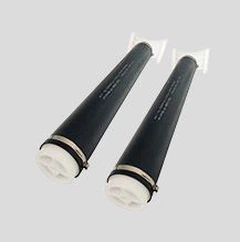
This section discusses the key components of an MBBR system, including the reactor vessel, floating media, aeration system, and effluent clarification unit. Each component's role and significance in facilitating the MBBR process are explained in detail.
Operational Principles of MBBR Technology
The operational principles of MBBR technology are explained in this section. It covers the basic principles of biofilm growth, attachment, and detachment on the media surface. The concept of biomass retention time and its impact on treatment efficiency are also discussed.
Biological Processes in MBBR Systems
MBBR technology relies on various biological processes for wastewater treatment. This section delves into the biological mechanisms involved, such as aerobic and anoxic degradation, nitrification, denitrification, and phosphorus removal. The role of biofilm formation and the activity of different microbial populations are elucidated.
Advantages of MBBR Technology
MBBR technology offers several advantages over conventional treatment methods. This section highlights the key benefits, including high treatment efficiency, process stability, flexibility, and reduced footprint. The article also discusses the potential for energy recovery and the ability to handle varying influent characteristics.
Applications of MBBR Technology
MBBR technology finds application in various wastewater treatment scenarios. This section explores its use in municipal wastewater treatment plants, industrial effluent treatment, decentralized systems, and upgrading existing treatment facilities. The versatility and adaptability of MBBR technology are emphasized.
Case Studies
To illustrate the practical application of MBBR technology, this section presents a selection of case studies showcasing its successful implementation in real-world wastewater treatment projects. The case studies cover different scales, pollutant profiles, and treatment objectives.
Challenges and Future Perspectives
No technology is without its challenges. In this section, the common challenges associated with MBBR technology are discussed, such as biofilm control, process optimization, and system monitoring. Furthermore, the article provides insights into future research directions and potential advancements in MBBR technology.
Conclusion
The conclusion summarizes the key points discussed in the article, emphasizing the importance of understanding the principles and mechanisms of MBBR technology for successful implementation in wastewater treatment processes. The potential of MBBR technology to meet the increasing demands of sustainable wastewater treatment is highlighted.
Operational Considerations and Design Parameters
This section focuses on the operational considerations and design parameters that are crucial for the successful implementation of MBBR systems. Factors such as media selection, aeration rates, hydraulic retention time, and temperature are discussed in detail. The significance of proper system design and optimization for achieving desired treatment outcomes is emphasized.
Performance Monitoring and Control
To ensure optimal performance of MBBR systems, effective monitoring and control strategies are essential. This section highlights the key parameters that should be monitored, such as dissolved oxygen levels, pH, and biomass concentration. Additionally, it discusses the importance of process control techniques and the use of advanced monitoring tools for system optimization.
Integration of MBBR with Other Treatment Technologies
MBBR technology can be effectively integrated with other treatment technologies to enhance overall treatment efficiency. This section explores the potential integration of MBBR with processes such as membrane bioreactors (MBRs), activated sludge systems, and advanced oxidation processes. The synergistic effects and benefits of such integration are discussed.
Nutrient Removal and Resource Recovery
MBBR technology has the capability to achieve efficient nutrient removal, including nitrogen and phosphorus. This section delves into the mechanisms and processes involved in achieving nutrient removal in MBBR systems. It also highlights the potential for resource recovery, such as the production of bioenergy and the reuse of treated effluent for irrigation or industrial purposes.
Advances in MBBR Technology
This section discusses recent advances and innovations in MBBR technology. Topics such as the development of new media types, application of biofilm modeling, advancements in monitoring and control systems, and the integration of MBBR with emerging technologies are explored. The article sheds light on the ongoing research and development efforts aimed at improving the efficiency and effectiveness of MBBR systems.
Case Studies: MBBR in Various Wastewater Treatment Scenarios
This section presents additional case studies to showcase the diverse applications of MBBR technology. Examples may include its use in treating specific industrial wastewaters, decentralized wastewater treatment, and niche applications such as landfill leachate treatment. The case studies provide insights into the successful implementation of MBBR technology in different contexts.
Environmental and Economic Benefits of MBBR
MBBR technology offers several environmental and economic benefits. This section discusses the reduction in energy consumption, greenhouse gas emissions, and chemical usage associated with MBBR systems. It also explores the potential cost savings and long-term sustainability advantages compared to conventional treatment methods.
Regulatory Considerations and Standards
Regulatory frameworks and standards play a crucial role in wastewater treatment. This section examines the regulatory considerations and standards related to MBBR technology, both at the national and international levels. It addresses compliance requirements, discharge limits, and the role of MBBR technology in meeting regulatory targets.
Training and Capacity Building
For successful implementation and operation of MBBR systems, training and capacity building programs are vital. This section discusses the importance of knowledge transfer, technical training, and skill development for operators, engineers, and stakeholders involved in MBBR technology. It highlights the need for continuous professional development and knowledge exchange platforms.
Future Outlook and Potential Developments
In the final section, the article provides an outlook on the future of MBBR technology. It explores potential developments such as the use of advanced materials, the application of artificial intelligence and automation, and the integration of smart monitoring and control systems. The article concludes with a vision of the role of MBBR technology in addressing future wastewater treatment challenges.
Comparison of MBBR with Other Biological Treatment Technologies
In this section, a comparative analysis is conducted between MBBR and other commonly used biological treatment technologies, such as activated sludge and sequencing batch reactors (SBRs). The advantages, limitations, and performance characteristics of each technology are discussed, highlighting the unique features and benefits offered by MBBR.
Case Studies: MBBR in Challenging Wastewater Treatment Scenarios
This section presents case studies where MBBR technology has been successfully applied in challenging wastewater treatment scenarios. Examples may include the treatment of high-strength industrial effluents, wastewater with variable compositions, or wastewater containing recalcitrant pollutants. The case studies showcase the adaptability and effectiveness of MBBR technology in handling complex wastewater streams.
Long-Term Performance and Maintenance of MBBR Systems
Ensuring the long-term performance and reliability of MBBR systems requires proper maintenance and periodic assessments. This section discusses the key factors influencing the long-term performance of MBBR, including biofilm integrity, media cleaning, and regular monitoring. It also addresses maintenance strategies, troubleshooting techniques, and the importance of system optimization for sustained performance.
Environmental Impact and Sustainability of MBBR Technology
MBBR technology has significant implications for environmental sustainability. This section examines the environmental impact of MBBR systems, including energy consumption, carbon footprint, and potential ecological risks. It also discusses strategies for minimizing environmental impact, such as energy-efficient operation, the use of renewable energy sources, and the integration of sustainable practices.
MBBR Technology in Water Reuse and Resource Recovery
Water scarcity and the growing demand for water reuse have brought attention to the potential of MBBR technology in water recycling and resource recovery. This section explores the application of MBBR systems in water reuse projects, highlighting the removal of contaminants of emerging concern and the production of high-quality reclaimed water for various purposes. It also addresses the opportunities for resource recovery, such as nutrient and energy capture from wastewater streams.
Case Studies: MBBR in Developing Countries
MBBR technology holds promise for wastewater treatment in developing countries facing unique challenges. This section presents case studies focusing on MBBR implementation in developing regions, addressing issues such as limited infrastructure, low-cost solutions, and community-scale applications. The case studies illustrate the potential of MBBR technology to improve sanitation and environmental conditions in resource-constrained settings.
Public Perception and Social Acceptance of MBBR Technology
Public perception and social acceptance play a crucial role in the successful implementation of wastewater treatment projects. This section examines the public perception of MBBR technology, considering factors such as aesthetics, odor control, and public health concerns. It also discusses strategies for promoting public awareness, engaging stakeholders, and ensuring community acceptance of MBBR systems.
Innovations and Research Trends in MBBR Technology
This section explores current innovations and emerging research trends in MBBR technology. It covers topics such as biofilm engineering, microbial community analysis, optimization algorithms, and the integration of advanced sensors and automation. The article highlights the ongoing efforts to enhance MBBR performance, improve process understanding, and explore novel applications.
Conclusion
The conclusion summarizes the key findings discussed in the article, emphasizing the significance of MBBR technology in achieving sustainable and efficient wastewater treatment. It underscores the versatility, reliability, and potential for innovation in MBBR systems, while also acknowledging the importance of continued research and collaboration to further advance the technology.
References
A comprehensive list of references is provided to support further reading and research on MBBR technology and related topics.