

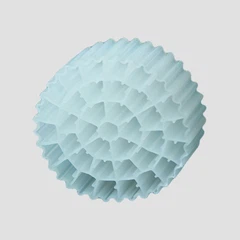

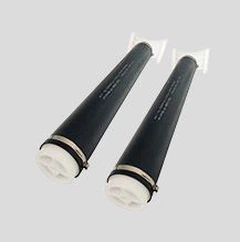

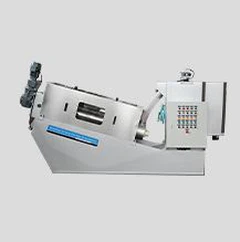
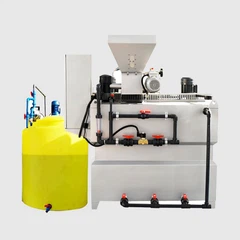



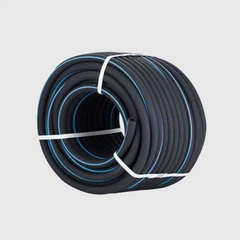
Packing is the central part of the biofilm reactor, which affects the treatment effect and operation control of the technology, so it is very important to select the appropriate packing for the biofilm reactor. The filler shapes usually used in the past include honeycomb, bundle, corrugated, circular radial, shield, net, cylindrical, regular granular and irregular granular, etc. The effect data is basically selected except for granular fillers. FRP, PVC, polypropylene, vinylon, etc. Because of manufacturing and economic factors.
At present, the fillers to be selected are plastic or glass fiber reinforced plastic honeycomb fillers, three-dimensional wavy fillers, soft fiber fillers, semi-soft fillers, plastic or glass fiber reinforced plastic honeycomb fillers. The surface is smooth, the biofilm adhesion rate is poor, and it is easy to age. And it is usually simple in actual use. Filler blockage occurred. The flow state of the water flow in the soft filler is not ambition, and it is easy to be condensed by the microbial film, resulting in a balling phenomenon, which greatly reduces its useful surface volume, and then an anaerobic scene occurs inside the balling, which affects the treatment effect.
The shape of the filler or ceramsite filter material made of microbial immobilization materials directly determines the size of its surface area. Under normal circumstances, the larger the space volume of a single biofilm filler and filter material, the smaller its specific surface area. The relative density affects the construction cost and energy consumption of the treatment structure. If the relative density is greater, more power is required for improvement. At the same time, the excessive hydraulic shear affects the immobilization of microorganisms. The porosity and roughness of the biofilm filler directly affect the formation, development and stability of the biofilm. Adding the useful area of the filler and the microbes can protect the fixed microbes from the effect of hydraulic shear, slow down the loss of microbes caused by the collision between fillers, and to some extent facilitate the improvement of mass transfer power.