






By: Kate
Email:kate@aquasust.com
Date: 13th March 2025

Aeration has multiple functions in sewage treatment, mainly including oxygenation, mixing and stirring.
Oxygenation
Aeration increases the dissolved oxygen content in the water by forcing air into the sewage. Microorganisms need to consume oxygen to degrade organic matter. Aeration can provide enough oxygen to promote the metabolic activity of microorganisms and accelerate the oxidation and decomposition of organic matter, thereby achieving the purpose of purifying water quality.
Mixing and stirring
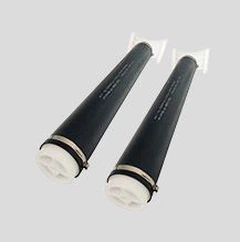
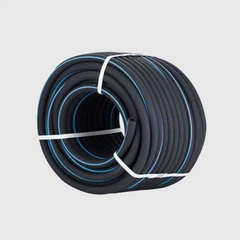
Aeration equipment produces bubbles in the aeration tank. As these bubbles rise in the water, they drive the surrounding water to flow, forming a mixing and stirring effect. This mixing effect makes the organic matter and other suspended matter in the wastewater evenly distributed, enhances the contact opportunities between microorganisms and organic matter, improves mass transfer efficiency, and ensures the treatment effect.
Preventing suspended matter from sinking
Aeration prevents suspended matter in the pool from sinking by stirring the water surface, keeping the water clear. This helps to maintain a sufficient speed of the liquid, keep the biological solids in the water in a suspended state, and ensure that the microorganisms carry out oxidation and decomposition under the condition of sufficient dissolved oxygen.
Removing harmful gases
Aeration can also effectively remove some harmful gases in the water, such as hydrogen sulfide and carbon dioxide, and improve the water environment.