



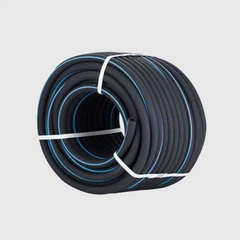

Pond Bio Filters Sale
|
Abnormal symptoms |
Analysis and diagnosis |
solutions |
|
The aeration tank is smelly |
The oxygen supply in the aeration tank is insufficient, the DO value is low, and the ammonia nitrogen in the effluent is sometimes high |
Increase the oxygen supply to make the DO mass concentration of the aeration tank higher than 2mg/L |
|
Black sludge |
If the DO of the aeration tank is too low, the anaerobic decomposition of organic matter releases H2S, which reacts with Fe to form FeS |
Increase oxygen supply or increase the amount of sludge returned |
|
Sludge whitening |
Filamentous bacteria or sessile ciliates multiply |
If there is sludge swelling, refer to swelling countermeasures for other symptoms |
|
The pH value of the inlet water is too low, the pH of the aeration tank is <6, and a large number of filamentous molds are formed |
Increase the pH of the feed water |
|
|
A large piece of black sludge floats up in the sedimentation tank |
The partial mud in the sedimentation tank is anaerobic, producing methane and CO2, and air bubbles are attached to the mud particles to float above. |
Prevent dead spots in the sedimentation tank, flush and clean with compressed air in the dead spots after the mud is discharged |
|
The mud level of the secondary settling tank is raised, the initial effluent is particularly clear, and the sludge overflows in layers when the flow is large |
SV>90%, SVI>200mL/s, filamentous bacteria are dominant in the sludge, and the sludge swells |
Chemical methods such as adding liquid chlorine, sodium hypochlorite, and increasing pH to kill filamentous bacteria; adding granular charcoal, clay, nitrified sludge and other activated sludge "weight agents" to increase DO; interstitial water ingress |
|
The mud level of the second settling pond is too high |
Filamentous bacteria have not grown excessively, and the MLSS value is too high |
Increase mud discharge |
|
Accumulation of deflocculated sludge layer on the surface of secondary sedimentation tank |
The micro-animals die, the sludge deflocculates, the effluent water quality deteriorates, the COD and BOD rise, the OUR is far below 8mg02/(gVSS·h), the concentration of toxic substances in the influent water is too high or the pH value is abnormal |
Stop water intake and add nutrients after the sludge is discharged. It is possible to introduce domestic sewage to rejuvenate or introduce new sludge strains |
|
There are fine sludge floating outside in the second settling tank |
The sludge lacks nutrients; the ammonia nitrogen concentration in the influent is high, and the C/N is inappropriate; the pool temperature exceeds 40℃; the wing wheel speed is too high to break the flocs |
Add nutrients or introduce high BOD wastewater to make F/M>0.1, stop an aeration tank |
|
The supernatant of the secondary sedimentation tank is turbid, and the effluent quality is poor |
High sludge load, incomplete oxidation of organic matter |
Reduce the flow of water in, reduce the sludge discharge |
|
Scum appeared on the surface of the aeration tank, like thick porridge covering the surface |
Excessive growth of Nocardia or ciliates in the scum or excessive detergent content in the influent water |
Remove the scum, avoid the scum to continue to circulate in the system, and increase the sludge discharge |
|
The sludge is immature, the flocs are thin, the effluent is turbid, and the water quality is poor; there are many small motile flagellates |
The composition and concentration of the water have changed too much, the nutrition in the wastewater is unbalanced or insufficient; the wastewater contains toxic substances or the pH value is inappropriate |
Balance the composition, concentration and nutrition of wastewater, and appropriately supplement the lack of nutrients |
|
Difficulties in sludge filtration |
Sludge deflocculation |
Dispose of according to different situations |
|
Mud cakes after sludge dewatering |
Organic spoilage |
Timely disposal of sludge |
|
Insufficient addition of coagulant |
Increase the dose |
|
|
Excessive foam in aeration tank, white color |
Too much detergent in the water |
Drop defoamer |
|
The aeration tank foam is not easy to break and sticky |
The influent load is too high and the decomposition of organic matter is not complete |
Reduce load |
|
Aeration tank bubble tea or gray |
The sludge is aging, the sludge age is too long, and the deflocculated sludge is attached to the foam |
Increase mud discharge |


Hot Tags: pond bio filters sale, China, suppliers, manufacturers, factory, cheap, in stock, free sample, Koi Pond Filter Media, , Pond Filter Media, , Koi Filter Mbbr Media, Pond Filter Media Koi